
Logemann Yachting – Weltweite Yacht Charter mit Crew
Exklusive Yachten chartern: Mit Logemann Yachting Luxusyachten mieten
Erleben Sie das Außergewöhnliche, chartern Sie mit uns eine exklusive Luxusyacht in den schönsten Destinationen unserer Welt. Bei uns bekommen Sie kompromisslosen Luxus, denn exklusive Ausstattung der Yachten und ein erfahrenes Team auf jeder Yacht sind für uns absoluter Standard.
Luxuriöse Segelyacht oder exklusive Motoryacht, Sie haben die Wahl
Entscheiden Sie selbst, ob Sie die Schönheit unseres Planeten in einer Segelyacht oder einer Motoryacht erleben möchten. Eine komplette Übersicht unserer etwa 70 verschiedenen Segelyachten finden Sie hier, die Übersicht unserer luxuriösen Motoryachten wiederum hier. Wenn Sie Fragen zu einer speziellen Yacht oder zu unseren Luxusyachten im Generellen haben, dann nehmen Sie gerne Kontakt mit uns auf.
Die Wahl der richtigen Luxus-Yacht zum Chartern
Nennen Sie uns Ihre Wünsche und Träume, wir machen den Rest! Dank über 30 Jahren Erfahrung für Luxusyachtcharter können wir Ihnen schnell ein handfestes Angebot machen. Sonderwünsche jeder Art sind natürlich machbar.
Unsere neuesten Blog-Beiträge
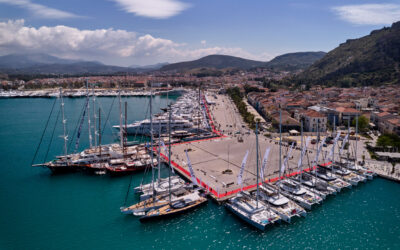
Mediterranean Yacht Show NAFPLION, Griechenland, 29.04. – 03.05.2023
Vom 29.04. - 03.05.2023 hat das Logemann-Team die Yachtshow in Nafplion in Griechenland besucht, organisiert von der Greek Yachting Association. Das war für uns der erste Besuch dieser Show und wir waren überrascht von der Anzahl der präsentierten Yachten. Es wurden...
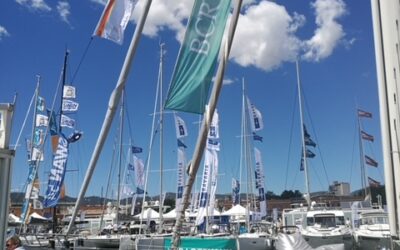
Superyachtshow in Palma de Mallorca 27.04. – 30.04.2023
Jürgen Logemann besucht diese Yachtshow jedes Jahr. Sie erfreut sich zunehmend größerer Beliebtheit und wächst sichtlich. Im Unterschied zu anderen Yachtshows ist diese Show für jeden Interessierten geöffnet und nicht nur für Broker. 32.000 Personen...
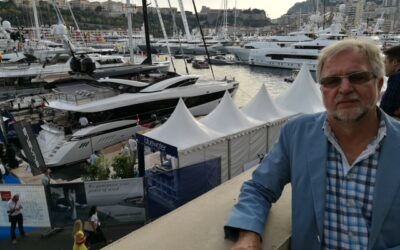
Yachtshow der Mediterranean Yacht Broker Association (MYBA) in Barcelona 2022
Nach Corona besuchte Jürgen Logemann wieder Anfang Mai 2022 die MYBA Yachtshow in Barcelona. Wieder wurden - wie vor der traurigen Coronazeit - eine große Zahl luxuriöser Motor- und Segelyachten präsentiert. Für weitere interessante Einzelheiten zur Yachtshow...
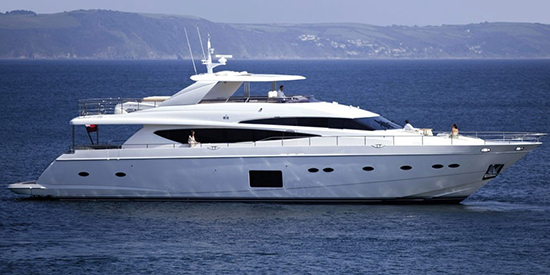
Über 30 Jahre Erfahrung
Seit mehr als 30 Jahren sind wir einer der führenden Spezialisten für die weltweite Yachtcharter von luxuriösen Segel- und Motoryachten mit Crew sowie Anbieter von anspruchsvollen Segeltörns in Nord-und Ostsee, Mittelmeer, Karibik usw.
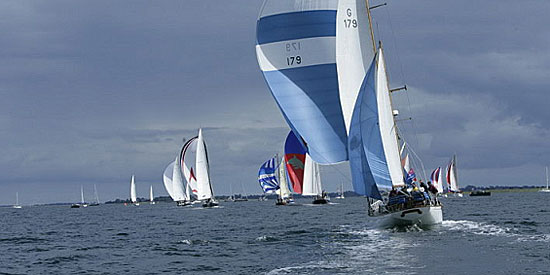
Internationaler Yachtbroker
Darüber hinaus vermitteln wir als internationaler Yachtbroker den An- und Verkauf von Segel- und Motoryachten und übernehmen die komplette Verwaltung von privat und gewerblich genutzten Yachten.
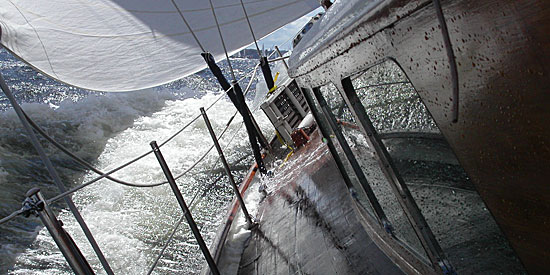
Yachtcharter auf höchstem Niveau
Nutzen Sie unsere Kompetenz für alle Fragen des Yachtcharters. Wir bieten Ihnen alle erforderlichen Dienstleitungen auf höchstem Niveau. Sie haben noch Fragen?
JÜRGEN LOGEMANN

BCR LOGEMANN YACHTING
Deutschland
LOGEMANN YACHTING
Langenstraße 34
D-28195 Bremen
Festnetz: +49 (0) 421 - 3469 650
Mobil: +49 (0) 172 - 42 126 43
Frankreich
BCR LOGEMANN YACHTS EURL
14 Rue Ernest Psichari
F-75007 PARIS
NEWSLETTER
Erhalten Sie regelmässig Neuigkeiten. Verpassen Sie keine Chance!